Time In VS. Time Out

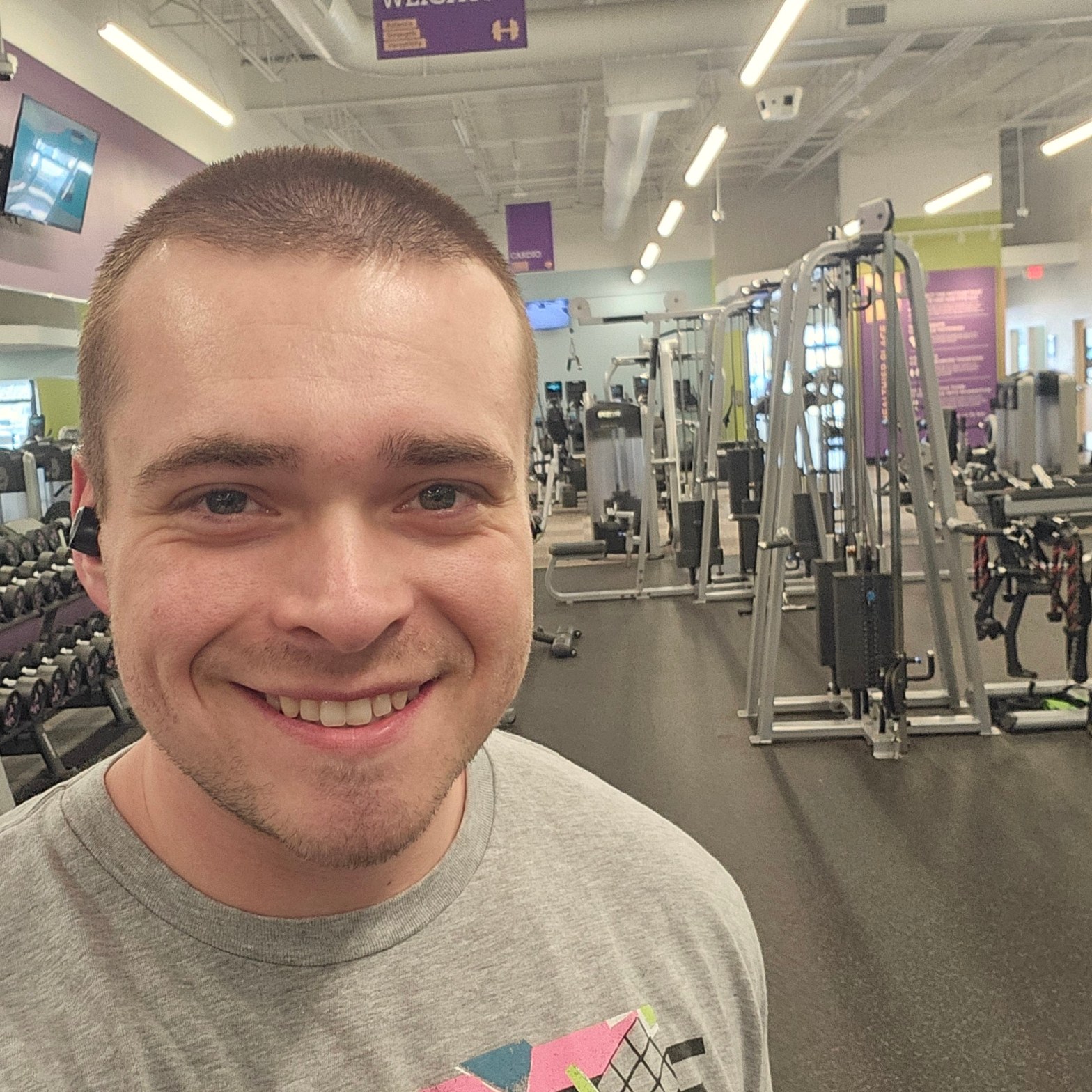
We often feel there’s not enough time to prioritize ourselves when it comes to physical fitness, but from an “hours” standpoint, there’s nothing further from the truth.

👇👇👇

Often times we tend to prioritize comfort over growth, old ways over new paths, especially when at the beginning stages of change within our lives. I’m not saying to completely stop allowing yourself the luxuries of life, but when the luxuries take precedence over change or growth, it reinforces the comfort and makes it that much harder to transition to a new path of success.

Let’s break it down!

  • 168 total hours in a week
  • 40+ hours working = 8 hrs per weekday
  • 56 hours sleeping = 8 hrs per night
  • 31 hours family time = 3 hrs per weeknight, 8 hrs per weekend day
  • 10 hours cooking/prepping meals = high end average
  • 14 hours eating = (2) 30 min meals & (1) 1 hr meal per day
  • 10 hours on hobbies = high end average

That leaves 7 hours to prioritize your health/fitness in some way or another! The first step is determine that you WANT to make a change, with the second step being to determine the goals you want to achieve. Is it weight loss? Muscle growth? Overall well-being? Increased endurance?

Whatever your goal is, dedicate yourself to it and understand that CHANGE. TAKES. TIME. But realistic goals are achievable when dedication and time are at the forefront. YOU’VE GOT THIS! 💪

Pros & Cons of a Caloric Deficit

**Pros of a Caloric Deficit:**

1. **Weight Loss:** The primary goal of a caloric deficit is often weight loss, as it forces the body to use stored energy (fat) for fuel.

2. **Improved Health Markers:** Achieving and maintaining a healthy weight can lead to improved health markers such as reduced risk of heart disease, diabetes, and other obesity-related conditions.

3. **Increased Insulin Sensitivity:** A caloric deficit may enhance insulin sensitivity, potentially lowering the risk of type 2 diabetes.

4. **Enhanced Metabolic Rate:** While long-term caloric deficits may temporarily slow metabolism, short-term deficits can stimulate the body to burn calories more efficiently.

**Cons of a Caloric Deficit:**

1. **Loss of Lean Body Mass:** In extreme cases, a caloric deficit can lead to the loss of muscle mass along with fat, affecting overall body composition.

2. **Nutrient Deficiency:** If not managed properly, a caloric deficit might result in inadequate intake of essential nutrients, leading to deficiencies.

3. **Energy Levels and Fatigue:** Reduced calorie intake can lead to low energy levels, fatigue, and decreased physical and mental performance.

4. **Hormonal Changes:** Prolonged caloric deficits may impact hormones like cortisol and leptin, potentially affecting mood, stress levels, and hunger signals.

5. **Reduced Fertility:** In some cases, especially in women, severe caloric deficits can disrupt reproductive hormones and menstrual cycles.

It’s important to approach caloric deficits with caution and under the guidance of healthcare professionals or nutrition experts to ensure a balanced and sustainable approach to weight management.

Routine Reboot After Thanksgiving

1. **Hydration**: Start by rehydrating after the holiday. Drink plenty of water to flush out toxins and support overall well-being.

2. **Nutrient-Rich Foods**: Focus on nutrient-dense meals with lean proteins, vegetables, and whole grains. Limit processed foods and added sugars.

3. **Portion Control**: Be mindful of portion sizes to avoid overeating. Use smaller plates to help control portions.

4. **Gradual Return to Workouts**: Ease back into your fitness routine with moderate-intensity workouts. Begin with activities like brisk walks or light cardio before reintroducing more intense exercises.

5. **Mix Cardio and Strength Training**: Include a balance of cardiovascular exercises and strength training to enhance overall fitness. This could include running, cycling, or bodyweight exercises.

6. **Consistent Schedule**: Establish a consistent workout schedule to build a routine. Consistency is crucial for long-term success.

7. **Set Realistic Goals**: Define achievable fitness goals to stay motivated. These can be short-term objectives that align with your overall fitness plan.

8. **Recovery Time**: Allow your body to recover adequately. Incorporate rest days and prioritize sleep to support muscle recovery and overall health.

9. **Accountability Partner**: Consider having a workout buddy or sharing your goals with someone who can help keep you accountable.

10. **Mindful Eating**: Practice mindful eating by savoring each bite and paying attention to hunger cues. This can help prevent unnecessary snacking.

Remember, the key is gradual progress and sustainability. Listen to your body and make adjustments as needed.

Grilled & Stuffed Bell Peppers

This is the perfect meal to help you meet your daily caloric intake goals while also incorporating a good bit of protein and veggies! Plus I love grilling!

Ingredients:

– 4 large bell peppers (red, green, yellow, or orange)
– 1 cup long-grain white rice
– 1/2 pound ground beef
– 1 cup corn kernels (fresh, frozen, or canned)
– 1 cup canned black beans, drained and rinsed
– 1 cup shredded cheddar or Mexican blend cheese
– 1 small onion, finely chopped
– 2 cloves garlic, minced
– 1 teaspoon chili powder
– 1/2 teaspoon cumin
– Salt and pepper, to taste
– 2 tablespoons olive oil
– Chopped fresh cilantro and sour cream for garnish (optional)

Instructions:

1. Preheat your grill to medium-high heat (around 375-400°F or 190-200°C) while you prepare the stuffing.

2. In a medium saucepan, cook the rice according to the package instructions. Once cooked, set it aside.

3. In a large skillet, heat the olive oil over medium heat. Add the chopped onions and minced garlic, sautéing until they become translucent, about 2-3 minutes.

4. Add the ground beef to the skillet and cook, breaking it apart with a spatula, until it’s browned and no longer pink. Drain any excess fat from the pan.

5. Stir in the chili powder, cumin, corn, and black beans into the beef mixture. Cook for another 2-3 minutes until the ingredients are well combined. Season with salt and pepper to taste.

6. Combine the cooked rice with the beef and vegetable mixture, mixing thoroughly. Add 1/2 cup of shredded cheese to the mixture, and stir until the cheese is melted and everything is well incorporated.

7. While the stuffing is simmering, prepare the bell peppers. Cut the tops off the peppers and remove the seeds and membranes. If the peppers don’t stand upright on their own, trim a small portion from the bottom to create a flat base.

8. Stuff each bell pepper with the rice and beef mixture, packing it in tightly. You can slightly overfill them if you have extra stuffing.

9. Sprinkle the remaining shredded cheese over the tops of the stuffed peppers.

10. Place the stuffed peppers directly on the grill grates or use a grill-safe pan to hold them. Grill for 20-25 minutes, or until the peppers are tender and slightly charred on the outside, rotating them occasionally to ensure even cooking.

11. Carefully remove the stuffed peppers from the grill using tongs or a spatula. Allow them to cool for a few minutes before serving.

12. Garnish the grilled stuffed bell peppers with shredded cheese, fresh cilantro, or a dollop of sour cream if desired.

13. Serve the stuffed peppers as a delicious and satisfying meal. Enjoy!

Here’s an approximate nutritional breakdown for one serving of Grilled & Stuffed Bell Peppers. Keep in mind that actual values may vary depending on specific brands and preparation methods:

– Calories: Around 450-500 calories per serving
– Protein: Approximately 20-25 grams
– Carbohydrates: Approximately 40-45 grams
– Dietary Fiber: About 6-8 grams
– Sugars: Around 5-7 grams
– Fat: Approximately 20-25 grams
– Saturated Fat: About 8-10 grams
– Cholesterol: Approximately 45-60 mg
– Sodium: Around 600-700 mg

Please note that these values are rough estimates and can vary based on the portion size and specific ingredients you use.

#BEEF

Not Every Workout

Not every workout is a workout. Did you take your dog for a walk? Did you do some housework? What about laundry, how many hamper reps did you do?

Not every workout HAS to be a conventional workout in order for you to gain from it. No, it may not be as intense as a 2-hr session at the gym, but did you get your ass up and moving? Yes? Then COUNT IT!

Just be honest with yourself about the intensity level and duration of your “non-workout workout” to ensure that you dont over or under eat once your next mealtime comes. You’d be amazed at how much walking you do while doing laundry or (re)organizing a room. The important thing is that you did something, and a little of something is ALWAYS better than a lot of nothing. 🤷‍♂️

#BEEF

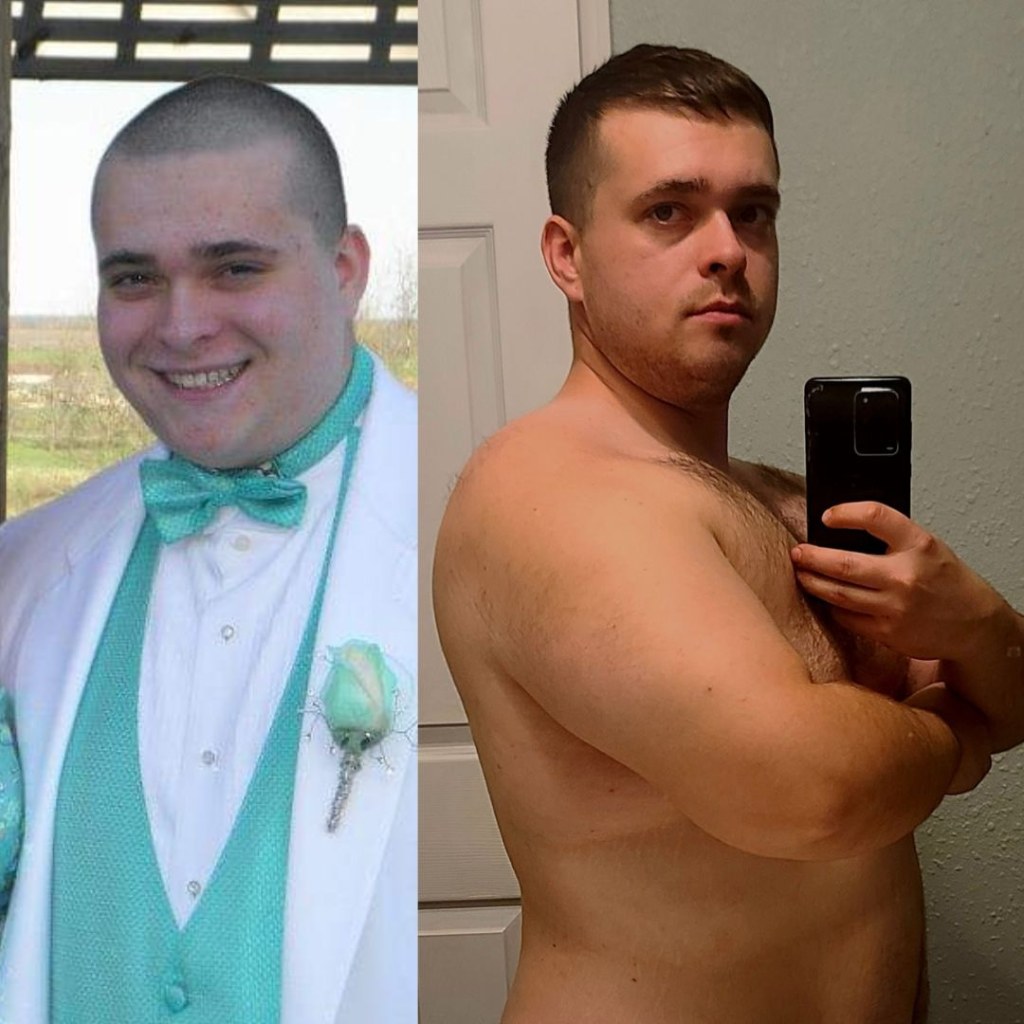
Weight Loss Breakdown: 80lbs Lost as of 11/8/23

I’ve been asked quite a few times about what I’ve been doing to lose weight so I figured I’d break it down!

Food: I utilize intermittent fasting with a goal of 1,800 calories between the hours of noon and 8pm, none before or after. And don’t drink your calories! Think of it like this, a can of Coke is 140 calories, a chicken breast is about 120. Which do you gain from? If focused on muscle building, aim for 125g of protein daily. I also avoid soy at all costs. Soy is not ideal when looking to gain muscle.

Water: I drink a minimum of 8 cups of water per day. On days I work out, I try to get closer to a gallon, cause ya know, sweat. I utilize smaller water bottles so I don’t get intimidated by a huge gallon jug, something small/large enough that I can still chug.

Workouts: My goal is always 3 days a week with a day of rest in between. I (try to) stack my workout with cardio, lifting, and cardio again. For cardio, it’s always high incline walking as it’s more sustainable than running. For weight lifting, I alternate between toning and muscle building weeks. For toning weeks, it’s 4 sets of 25 reps for every lift. For building weeks, I choose a weight that’s close to failure and do what I call “15 second reps”. That consists of a slow lift for 5 seconds, hold for 5 seconds, lower for 5 seconds, and that’s 1 rep. I aim for 5 to 8 reps per exercise.

Supplements: I take 2 multi-vitamins, 4 CLA’s, a thermo fat burner, water pill, and 4 test boosters daily. Sole reason for taking test boosters is to reduce cortisol. Reducing cortisol is the key to losing weight. You can do everything correct, but if the chemicals in your body aren’t in check, you will not reach your goals. I try to lean into the science of what my body is needing, more-so than just “trying” things. I also incorporate protein powder to hit my protein goals, creatine so I absorb more of that protein, and pre-workout for better workouts overall.

Discipline: Create routines that aid in your discipline! I find foods and workouts that I like and I stick to them. Limiting your calories is 100X harder when you’re eating boring food, bland food, or just food you don’t like. I try to be disciplined with small decisions as it then makes it easier to stay disciplined, or create discipline, in larger areas.

I’m not where I want to be, but I’m far from where I started, so if you have any questions, feel free to ask!
#BEEF

Momentum

You need mental momentum to keep you working towards your goals and workouts. But using actual physical momentum in your lifts is what’s killing your gains! Swinging weights and bouncing bars to get to your next rep isn’t doing what you think it is. Yes, you technically did the curl, but when did you gain from it? If you’re letting gravity do the work, then gravity gets the gains, not you.

Slow down your lifts with slight pauses and you’ll really begin to see and feel the difference with each rep. Yes, it’s slower. Yes, it’s tougher, but you’re guaranteed to gain from it, more so than just flinging the weight and knocking out the rep. No one goes to the gym solely to knock out reps, EVERYONE is there to either get stronger or lose weight.

So what are you doing? Don’t cheat yourself.
#BEEF